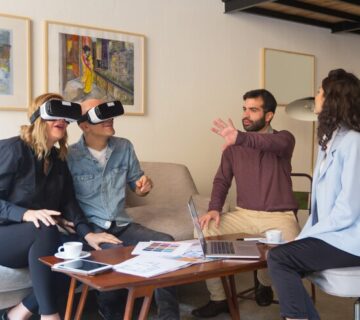
Augmented Reality (AR) marketing opens up a world where interactive experiences delight customers, turning the ordinary into the extraordinary. Picture this: you’re exploring a catalog not by flipping through pages but by virtually diving into a 360-degree world where products come to life. That’s the magic of AR. Yet, like any magic trick, things can go wrong. Poor user experience can turn a promising campaign into a frustrating ordeal. Ensuring a smooth and intuitive user experience is key in keeping customers engaged and satisfied with their interactive adventures.
For businesses based in Phoenix, understanding how to troubleshoot user experience issues in AR marketing campaigns becomes essential. The desert climate might be dry, but the competition in this sun-drenched city is fierce, making it crucial to stand out. By identifying and overcoming these challenges, businesses can create memorable, impactful campaigns that forge deeper connections with local audiences.
Common User Experience Issues in AR Marketing
Navigating AR marketing requires attention to the user journey, ensuring that the path is clear and inviting. However, businesses often encounter several hurdles that disrupt this journey. Here are some common issues:
- Interface Design Challenges: If users struggle to understand how to interact with an app or campaign, frustration quickly mounts. AR interfaces must be intuitive and accessible.
- Technical Glitches: AR technology can be complex, leading to unexpected bugs. Crashes, lag, and incompatibility issues with certain devices can all hamper the user experience.
- Device Limitations: Not all devices handle AR equally well. Some might lack the processing power or camera capabilities, resulting in a poor experience.
- Connectivity Issues: AR often relies on internet connectivity. Poor connections can lead to delays or the inability to access certain features.
- Inconsistencies Across Platforms: An AR experience that varies wildly from one platform to another can confuse users.
Addressing these challenges is critical to maintaining user engagement and achieving marketing goals in the vibrant Phoenix market. Focusing on user needs and expectations can transform potential hurdles into opportunities for improvement.
Strategies for Identifying User Experience Problems
Understanding where users encounter difficulties is the first step in improving AR campaigns. Here are some effective strategies:
1. Gather User Feedback: Encourage users to share their experiences and pinpoint where they face issues. This feedback can offer valuable insights.
2. Utilize Monitoring Tools: Implement monitoring software to track user interactions. This data can highlight where users drop off or struggle within the AR environment.
3. Conduct Usability Testing: Before launching, test your AR campaign with real users. Observing them navigate the AR environment can uncover unforeseen issues.
4. Analyze Behavior Patterns: Use analytics to identify patterns in user behavior. Understanding how users interact with your AR product can shed light on areas needing improvement.
5. Engage with the AR Community: Participate in forums and groups where AR users and developers share insights. Learning from others’ experiences can provide new solutions.
These approaches not only help in identifying problems but also build a community around your brand, creating a loyal user base ready to advocate for your AR solutions.
Solutions to Enhance AR Marketing User Experience
Improving AR marketing campaigns often hinges on enhancing the user experience. Start with a focus on simplifying the interface. When things appear straightforward, users find it easier to engage. Simplify navigation by using clear icons and labels. Intuitive interfaces reduce the learning curve for users, encouraging them to explore more.
Boosting technical stability is another crucial step. Regularly update your AR applications to ensure compatibility with the latest devices and operating systems. Conduct frequent testing to identify and fix bugs before users encounter them. Address connectivity needs by enabling offline features wherever possible, so users aren’t stuck if their connection falters.
A consistent experience across all platforms enhances user satisfaction. Consider using adaptive designs that tailor the AR experience to each device’s capabilities. This way, whether a person uses a smartphone, tablet, or another gadget, their interaction remains smooth and visually appealing.
Case Study: Successful AR Marketing Campaigns
Let’s consider a hypothetical example of a local Phoenix retail store launching an AR marketing campaign for a new clothing line. The store set up an AR experience that allowed customers to virtually try on outfits using their smartphones. Initially, they faced issues with app stability and inconsistent user interfaces, which frustrated users.
Analyzing feedback and data, the store took steps to refine the app. They improved the interface following customer feedback, making navigation smoother. They also did a deep dive into technical problems and rolled out an update for increased stability, ensuring the app worked seamlessly across various smartphone models.
This commitment paid off. After the fixes, users found the application easier and more fun to use. The campaign not only increased foot traffic to the store but also led to higher online engagement, achieving the desired marketing goals.
Why Investing in User Experience Matters
Prioritizing user experience in AR campaigns holds lasting benefits for businesses, especially in a setting like Phoenix. Here, where customer expectations are high and competition is intense, a standout user experience can create a decisive edge. By ensuring fluid and accessible AR interactions, companies can build trust and loyalty with their audience.
A well-crafted user experience turns prospective viewers into long-term customers who return not just for the products but also for the memorable experiences. These interactions drive engagement and can transform a casual user into a vocal ambassador for your brand, expanding your reach through positive word-of-mouth.
Ultimately, investing in the user experience of AR marketing strengthens the foundation for sustainable growth. It aligns with the growing trend of experiential interactions, which many Phoenix consumers are beginning to expect and demand more frequently.
Enhancing Your AR Marketing Campaigns with Professional Help
Crafting an AR campaign that captivates and connects with audiences requires expertise and precision. Collaborating with specialists who understand the nuances of AR technology and user experience design can significantly enhance campaign results. While the technology can seem overwhelming, professional support helps reduce complexity, turning your vision into a polished, engaging reality that resonates well with your audience.
To make the most of augmented reality marketing, consider partnering with Web Dynamics International. Our expertise in crafting experiences that engage and resonate can help elevate your campaigns. Learn how we can support your strategy and create more meaningful customer interactions throughout the Phoenix area.