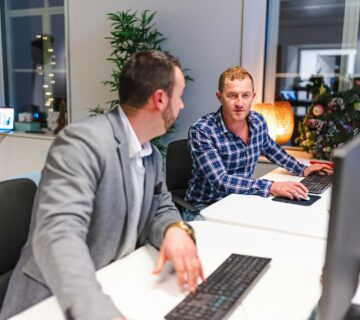
Digital transformation consulting often focuses on improving systems, adding new tools, or changing the way data gets tracked. That’s a natural place to start, and for a lot of businesses, it makes sense. Everyone wants to work faster and smarter with fewer problems in the process. The thing is, many of these consulting projects overlook one major piece of what really makes change stick, the people running the day-to-day.
Behind every system is a team. And if the team isn’t part of the plan, even the flashiest tool won’t make much of a difference. We’ve seen how digital transformation consulting can miss the reality of how teams move through their work. What looks great in a plan can hit bumps when it meets the real world of meetings, habits, and handoffs.
The Gap Between Strategy and Real-Life Team Flow
Many consulting plans are written from a high-level view. There’s a focus on structure, process steps, or how different tools connect. But that top-down approach doesn’t always match the way actual teams work day to day.
• Most teams don’t follow perfectly linear steps. They use shortcuts, Slack messages, side conversations, and shared context to move projects forward.
• If those daily habits aren’t part of the plan, the final system might feel clunky or extra instead of helpful.
• Small issues like meetings that never start on time or unclear roles can create more friction than any outdated tech.
When those details get missed, even great tools won’t help. The new dashboard feels disconnected. The software adds clicks without solving problems. Over time, that leads to more workarounds, not fewer, and the original plan fades into the background.
When People Get Left Out of the Planning
One of the biggest reasons transformation work falls flat is that the wrong people are making the key decisions. Leaders and consultants might shape the future state without asking much from the folks who actually do the work.
• If teams aren’t involved early, they feel like change is happening to them, not with them.
• New tools or workflows may not match their actual needs, which means they’ll skip them or use them in unintended ways.
• People naturally fall back on what’s familiar when they’re not sure how something new helps.
The earlier you bring in team input, the better the rollout goes. Even small feedback sessions or workshadowing can uncover things that aren’t written down anywhere. Those insights help plans feel closer to real life instead of imagined improvements.
What Good Consulting Should Notice About Teams
Great systems are helpful only when people use them with confidence and clarity. That starts with understanding how teams communicate, build trust, and carry out tasks, even under stress.
• Trust and rhythm carry just as much weight as checklists and dashboards. What feels efficient on paper won’t land well if it doesn’t match team culture.
• Progress isn’t just about whether a tool is installed, it’s about how people respond to it. Are they adapting well, or stumbling quietly?
• The best consulting work includes check-ins, not just task completions. Watching how teams react in real time helps fine-tune the experience.
We’ve found that digital transformation consulting works better when we pay attention to the parts that feel less “technical.” What are the habits? Who checks in with who? Where does confusion usually start? These moments reveal more than a project plan ever could.
Supporting Local and Remote Teams in Different Ways
In places like Phoenix, Arizona, it’s common to have teams split between remote and in-office setups. That creates layers most consulting plans don’t fully address.
• In-office teams might lean on hallway conversations or quick desk chats. That doesn’t translate to remote staff.
• Remote teams need tools that go beyond live meetings, they rely on async comments, shared docs, and flexible work hours.
• A one-size-fits-all solution might land well in the office but leave remote workers feeling adrift.
Consultants need to study how different teams experience time, pressure, and follow-ups. A process that feels responsive in Phoenix might feel silent in another timezone. That’s why plans need more than just installation, they need checkpoints that match how each group works.
Why Paying Attention to People Makes All the Difference
Fast-growing companies often move quickly, looking for ways to streamline without slipping on quality. Systems can help, but only if the people using them feel ready and connected. A change that adds more stress or uncertainty rarely lasts.
We’ve learned that long-term progress starts with the human side. It’s not enough to install a platform and hand off the instructions. The plan has to meet the team where they already are, one habit at a time. When we build around how people actually talk, work, and shift gears, change becomes less of a lift and more of a rhythm that lasts.
Web Dynamics International approaches digital transformation consulting by focusing equally on people, process, and tech, helping Phoenix, AZ, businesses streamline workflows, secure data, and improve adoption with a collaborative rollout process. Our support continues beyond the launch, with regular team workshops and check-ins designed to keep updates aligned with real-world needs.
At Web Dynamics International, we know that successful change isn’t about systems alone, it’s about how those systems fit into the way your team already works. From our base in Phoenix, AZ, we’ve seen how thoughtful planning, honest feedback, and flexible tools can shape better outcomes across local and remote setups. Is your team facing delays, friction, or low adoption? It could be time to look past platforms and rethink flow across the board. Learn how our approach to digital transformation consulting helps align technology with people from the start. Reach out when you’re ready to build a plan that truly fits your team.