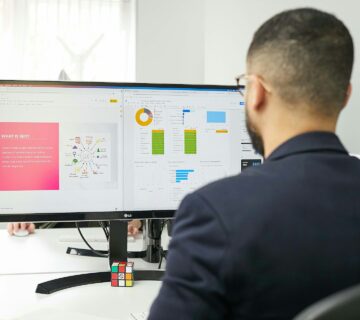
Getting more people to visit your website can feel like progress, but we know it doesn’t always lead to results. Views aren’t the same as actions, and that’s where conversion rate optimization services matter. These services help turn visitors into customers, leads, or subscribers by improving the way your website works. If you’ve been thinking about conversion rate optimization services, it helps to know what’s actually included in the process. It’s not just about data or page edits, it’s about finding the slow spots, identifying what gets people to click, and making it easier for them to take action.
When we’re clear on what’s behind good conversion planning, we can avoid guesswork and focus on updates that help our end-of-year goals. Here’s a breakdown of what these services usually include, just in time for the busy holiday rush.
What Businesses Really Want from Website Visitors
Traffic by itself doesn’t pay the bills. We all want people to visit, but what we really want is action. That could be someone buying something, clicking a link, joining a list, watching a demo, or scheduling a call. It’s the difference between a packed store and an actual line at the register.
Conversions are the steps that matter most. They’re the signs people are interested enough to do something, not just browse. And these goals can shift depending on the season. This time of year, as we get close to November and December, many businesses shift focus to:
- Shoppers looking for gifts or special holiday deals
- Customers asking time-sensitive questions about shipping or holiday hours
- Leads who may not convert right away but are planning for January
Good optimization helps match the page to what people are looking for right now. Traffic without clear steps means missed chances.
First Look: Audits and User Behavior Tracking
Before any updates can happen, we always start by looking closely at what’s already there. A website audit helps us understand the current setup and see where things might be slowing visitors down.
We review page layouts, headlines, forms, menus, and buttons. From there, we use behavior tools to track what people actually do. These show us:
- Where users click, scroll, and stop reading
- Which pages have high drop-off rates
- What elements help or hurt follow-through
Seeing this behavior gives us a real-world picture. It’s not guessing, it’s noticing where attention shifts or where people give up. That way, fixes are based on patterns, not just opinions. This groundwork lets us build smarter updates and keep the parts that are already working well.
At this stage, we also check for things that might confuse new visitors. Maybe the menu labels aren’t clear, or a link isn’t where people expect it to be. Even small details like button size or image placement can make a difference. When we notice where people pause or lose interest, it’s a sign the design or message might need to change. Looking carefully at these patterns helps us start strong and lets us use our time wisely when making next steps.
Testing, Tweaking, and Page Design Fixes
Once we know where to focus, we run tests. One of the most common is A/B testing, where we try two versions of something to see which works better. That might be a different button color, a clearer headline, or rearranging blocks on a landing page.
A few small changes can make a big difference:
- Buttons that describe the next step clearly, like “Start Your Free Trial”
- Shorter forms with only the must-have fields
- Cleaner layouts that lead the eye to the action
Design and messaging are powerful. But they’re even more effective when backed by real behavior data. We know what to test based on how people are using the site. That way, we’re not just making changes, we’re learning what works.
Sometimes we need to try a few variations before we find what really clicks with users. This process isn’t about guessing, but about paying attention to real patterns in how visitors use the site. For example, if a headline is too long or a form is too complicated, we’ll spot it in the data. We can then suggest a simpler version, test it, and measure the difference it makes. Step by step, each test gives us more clues on making the site work better for shoppers and leads.
Mobile Experience and Speed Improvements
Late October is a smart time to make sure a site works well on mobile, especially since mobile shopping tends to tick up around the holidays. If your site feels slow or hard to use on a phone, people won’t wait around. They’ll move on fast, and the chance is gone.
Many drops in conversions can be traced back to mobile issues like:
- Slow load times or lag when switching between pages
- Forms that don’t fit the screen or are hard to tap through
- Menus that don’t open or behave the same way as desktop versions
When we check speed and mobile layout, it becomes easier to spot these problems early. Sometimes they’re technical, sometimes design-related, but either way, they’re roadblocks for users. Fixing them now means smoother visits during the busiest shopping months of the year.
Speed is a big deal for every user, but it’s even more important when visitors are in a hurry, like right before a holiday sale ends. Even seconds of waiting can cause people to leave a cart or skip filling out a form. We always test on real devices and make sure images, buttons, and text all look right and work fast. This extra care helps keep shoppers moving forward and stops small frustrations from turning into lost sales.
Real Results: Connecting CRO to Business Goals
It’s easy to get caught up in numbers, especially when they sound positive at first glance. But more visitors or more time on the site doesn’t always lead to more sales. Conversion rate optimization services are really about results, helping the site match your actual goals.
That could mean:
- Getting more people to complete a checkout
- Encouraging sign-ups or demo requests
- Building trust so visitors return next month
Every change we make has purpose behind it. We look at what the business wants to achieve, then work backwards to identify the friction points. This time of year, it often means tuning the site for faster decisions and fewer distractions, especially knowing people are busy and comparing options. Starting in late October gives your changes time to settle in before peak traffic spikes in November.
Business goals aren’t the same for everyone. Some companies want more repeat buyers, while others want first-time shoppers to finish their checkout. That’s why we spend extra time finding out what each business values most. We make sure the steps on their site fit that goal, and we track which visitors take action all the way through. Adjusting the journey for real results helps make sure our updates line up with what the business cares about, not just website numbers.
Why Better Conversions Make a Bigger Difference
High traffic without clear actions is like a crowded event with no plan. We want to make it easy for visitors to understand what to do next, and feel good about doing it. That comes from making smart updates, one step at a time.
Knowing what’s included in CRO helps us make better choices. It also gives us more control over how our site supports the rest of our marketing. We don’t need to change everything, just the right parts.
With strong conversion updates in place, we can go into the holiday season feeling more ready. These changes don’t just help this quarter, they keep playing a part long after the decorations come down.
Sometimes those small changes, like updating a form or moving a button, can keep delivering value for months or even the whole next year. Good conversion work creates ripple effects, making our other marketing, like emails or ads, perform better too. It means our holiday efforts don’t fade out in January, but set us up for smoother growth.
As a Phoenix-based agency, Web Dynamics International provides CRO as part of our comprehensive digital marketing solutions, including layered analytics, ongoing A/B testing, and conversion-focused website updates. We help businesses clarify their CTAs, improve form usability, and turn traffic into measurable results that translate beyond year-end.
Based in Phoenix, AZ, and want to improve how your website turns clicks into results? Now is a good time to take a closer look at how small adjustments can create lasting impact. We help businesses find what’s slowing people down online, then build easier paths to action. Whether it’s a busy checkout page or a landing page that’s not doing its job, adjusting the right pieces can make the difference. To see how we handle real updates with real outcomes, start with our approach to conversion rate optimization services. Reach out to Web Dynamics International to talk through what you need.